TAKE-BACK Without Borders: Building a Global Reverse Logistics Framework for B2B Companies
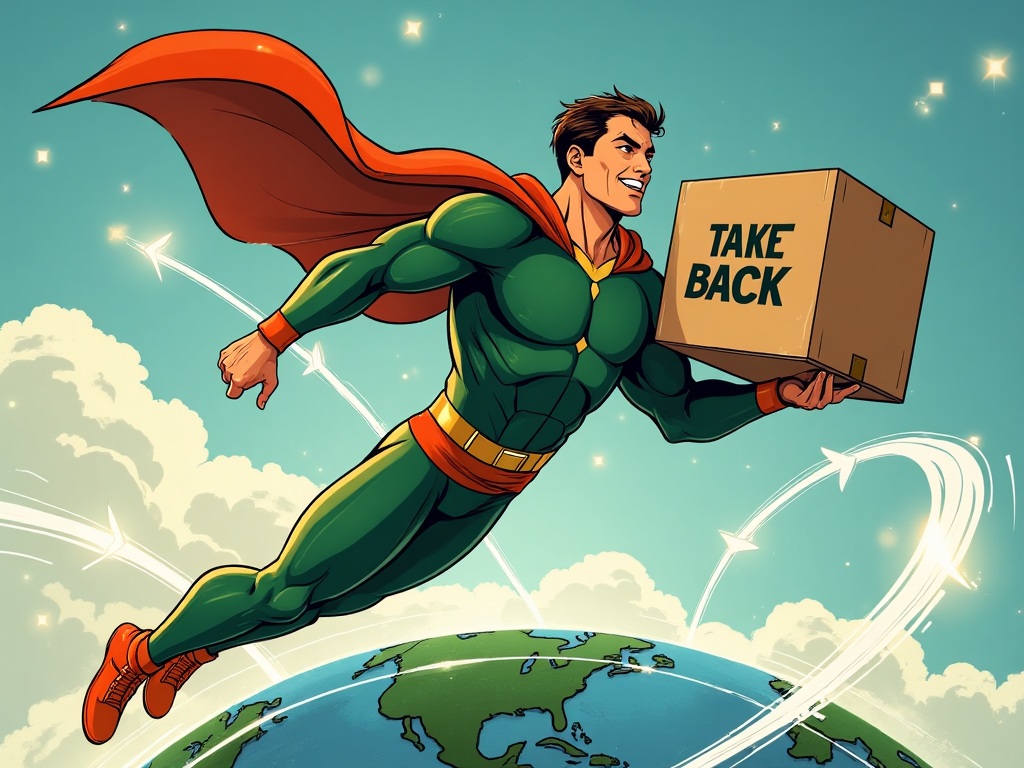
In a world of interconnected supply chains and global customer bases, B2B companies can no longer treat product returns as a local issue. The ability to manage TAKE-BACK operations consistently across regions is quickly becoming a strategic requirement. From reusable packaging to end-of-life products, companies need a reverse logistics system that is reliable, transparent, and compliant—across borders.
EcoHandling specializes in delivering global TAKE-BACK solutions that meet the needs of international organizations. With operational hubs and partners across continents, and a dedicated customs and regulatory department, EcoHandling provides not just logistics—but clarity, continuity, and compliance.
TAKE-BACK as a Service Strategy: How Reverse Logistics Enhances B2B Customer Retention and Satisfaction

In the B2B industrial landscape, logistics doesn’t end at delivery. For companies seeking to build long-term customer relationships and provide added value, TAKE-BACK is becoming an essential component of service.
Reverse logistics programs are no longer just about environmental compliance. Today, they are a differentiating factor in competitive markets, strengthening partnerships, improving operational efficiency, and boosting customer loyalty. At EcoHandling, we work with clients across sectors to transform TAKE-BACK into a powerful service asset.
What Happens to a Returned Product? Processing, Refurbishment, and Recycling in B2B TAKE-BACK Systems

In the world of B2B logistics, TAKE-BACK is more than a return label. It represents an organized system of collecting used products, components, or packaging from clients and determining the most responsible and efficient way to handle them. At EcoHandling, we specialize in managing this process from end to end, helping companies reduce waste, recover value, and meet sustainability goals.
Why B2B Companies Should Embrace a TAKE-BACK Strategy in Their Logistics Operations

EcoHandling is a global company specializing in smart TAKE-BACK solutions for reusable packaging and end-of-life product returns for recycling. These solutions are implemented across a wide range of industrial and commercial sectors, helping companies improve their environmental performance while creating economic and logistical value.
Reverse Logistics as an Operational Growth Engine
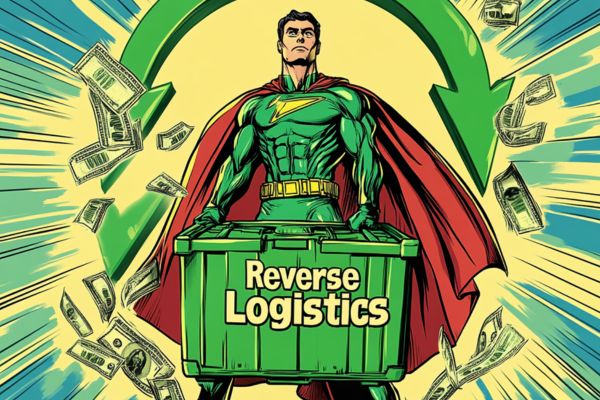
Reverse logistics has evolved in recent years from a marginal process focused solely on returns, into a strategic operational driver for organizations. Effective management of reverse logistics processes delivers significant competitive advantages, including cost savings, enhanced customer loyalty, and positioning the organization as a sustainable leader. Companies implementing advanced reverse logistics strategies are able to reduce their environmental impact while streamlining operations and improving business performance.
Reverse Logistics Implementation – Between Operational Complexity and Business Opportunity

In recent years, reverse logistics has evolved from a marginal operational function into a strategic engine for efficiency, sustainability, and improved customer experience. Alongside the clear opportunities it offers—cost savings, asset value recovery, enhanced service, and a stronger corporate image—implementing reverse logistics presents a range of significant challenges for organizations. Addressing these challenges effectively is the key to unlocking the full potential of reverse logistics and transforming it from a reactive process into a proactive and value-generating operational platform.
Take-Back Systems: The Driving Force Behind Circular Logistics
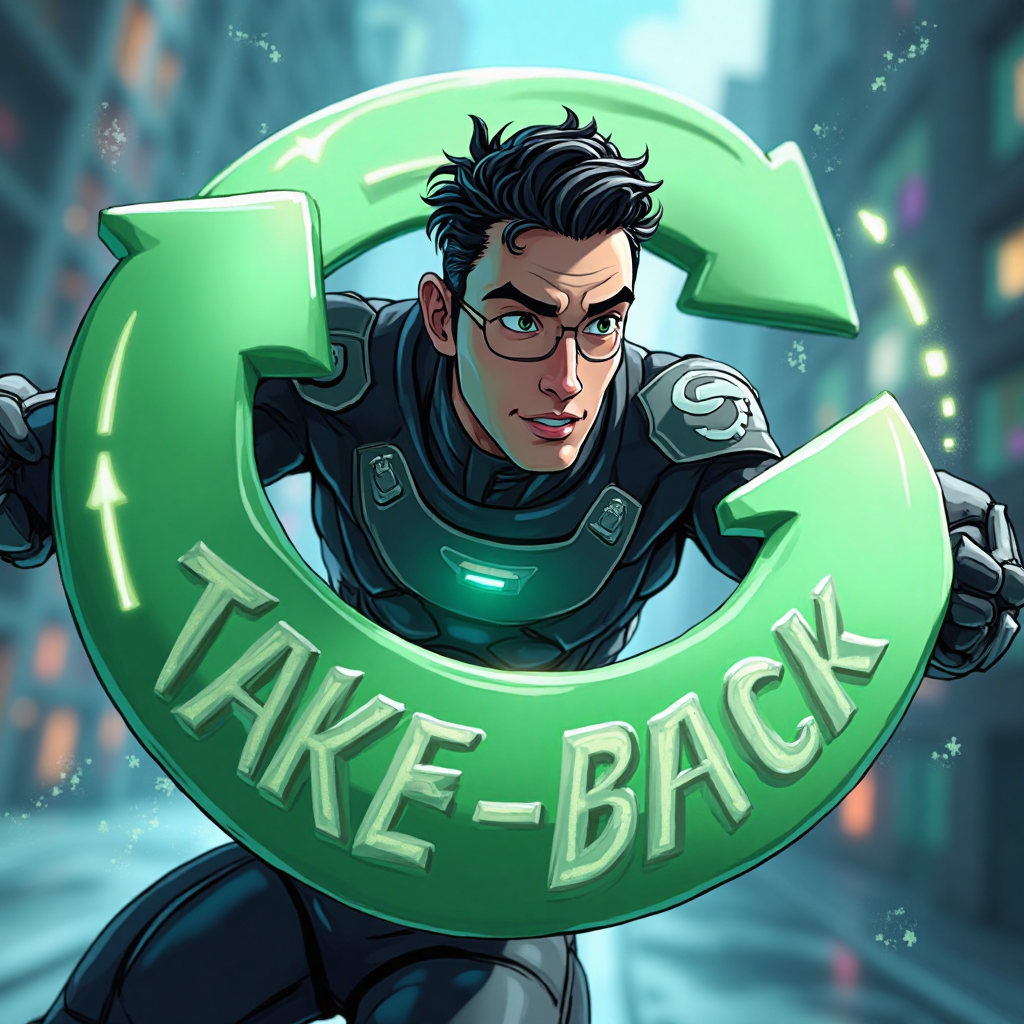
In today’s global reality—characterized by resource shortages, supply chain volatility, and growing environmental regulations—logistics is no longer a supporting function. It’s a strategic lever that can shape an organization’s future. Among the most impactful and innovative solutions in this space are Take-Back systems—structured logistics processes that enable packaging and products to be returned from the end user back into the supply chain for reuse, maintenance, recycling, or smart resource management.
Raw Material Scarcity – A Strategic Call to Rethink Logistics and Circular Solutions
Global shortages in raw materials are reshaping how companies operate. At EcoHandling, we believe circular logistics is no longer optional-it’s essential.
Discover how smart reuse systems, TAKE-BACK processes, and modular packaging like EcoBox help reduce material dependency, cut costs, and enhance supply chain resilience.
Read our latest blog post and join the circular shift.
Logistics vs. Reverse Logistics: Key Differences and the Need for Specialization

Eco-Handling specializes in reverse logistics management and leads the field with advanced
and innovative solutions. With its knowledge and experience, the company provides top-tier
services in this complex and unique domain.
In the modern world, supply chain management has become one of the cornerstones of
business success. Two key aspects of this management are logistics and reverse logistics.
Although both fields deal with the management of material and product flow, there are
significant differences in their objectives, flow directions, and economic and environmental
significance.
The Misconception That Plastic Packaging Pollutes the Environment

The debate surrounding plastic and its environmental impact has grown increasingly intense in recent years. While plastic is often labeled as a major pollutant, the reality is more nuanced. Although some concerns about plastic are valid, widespread misconceptions have unfairly demonized it, especially reusable plastic packaging, which can be an effective solution for environmental challenges. This article delves into these misconceptions and explores ways to reshape public perception.