
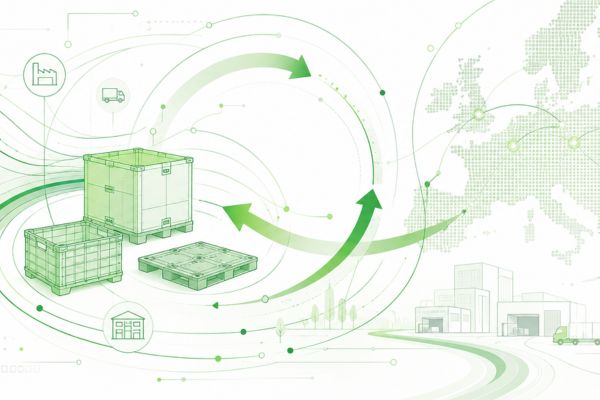
From Shipping Packaging to Circular Logistics Platforms Today
Packaging is no longer simply protecting products during transport. Today, it supports reverse logistics, operational visibility, asset management and long-term supply chain performance. Discover why reusable packaging platforms are becoming part of the infrastructure behind tomorrow’s global supply chains.
The Hidden Cost of One-Way Packaging in Global Supply Chains
Many companies still evaluate packaging based only on purchase price, while overlooking the hidden operational costs created throughout the supply chain. From waste management and replacement cycles to logistics inefficiencies, one-way packaging often becomes far more expensive over time. Discover why more organizations are shifting toward reusable packaging strategies built for long-term operational performance.
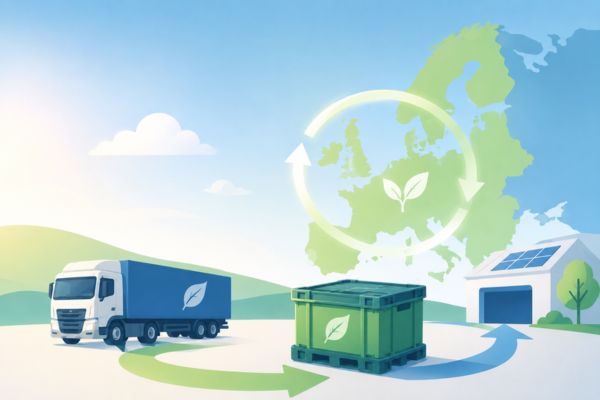
How Reverse Logistics Is Transforming European Supply Chains
Reverse logistics is no longer a secondary logistics activity—it is becoming a strategic component of modern European supply chains. Discover how reusable packaging, structured return flows and PPWR are reshaping international logistics and helping businesses prepare for the future.
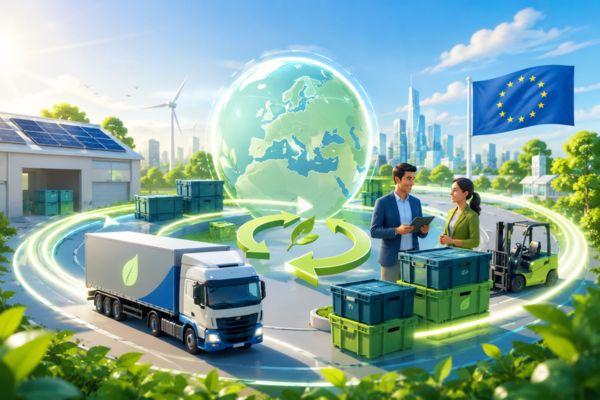
Packaging Traceability in Europe: The Future of Circular Supply Chains
European supply chains are entering a new era where packaging is no longer treated as disposable, but as a traceable operational asset. As reusable packaging systems become more common, visibility, reverse logistics and traceability are becoming essential components of logistics efficiency. Discover how this transformation is reshaping international supply chains.
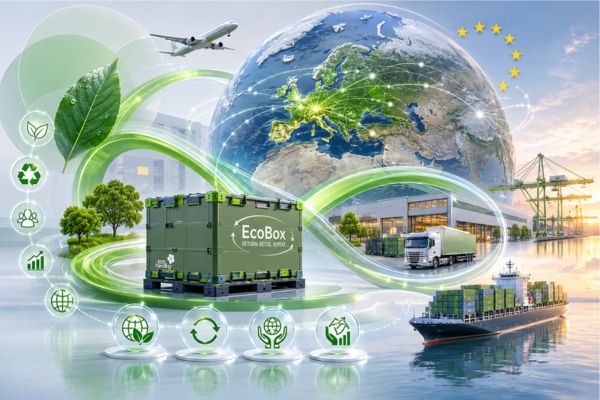
Why Reusable Packaging Is Becoming Part of Global ESG Strategy
Why is reusable packaging becoming part of global ESG strategy? As companies expand their ESG efforts beyond emissions and energy consumption, packaging is emerging as a key factor in sustainability, operational efficiency, and supply chain performance.
In this article, you’ll discover why reusable packaging is gaining strategic importance and how it supports both ESG goals and long-term logistics planning.
All the insights, trends, and business implications are waiting for you in the full article.
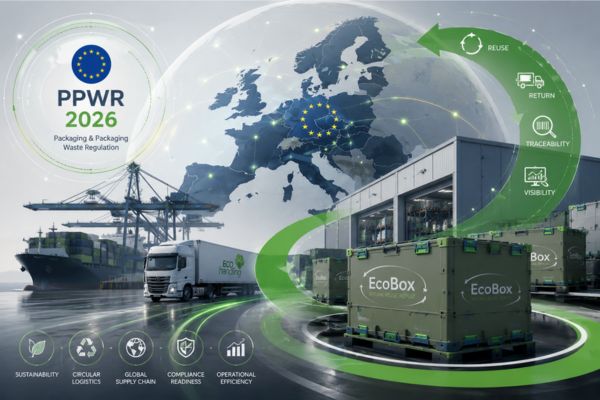
What European Importers Will Begin Expecting From Suppliers Starting in August 2026
What will make European importers choose one supplier over another in the years ahead?
Beyond product quality and pricing, packaging traceability, operational visibility, and reusable logistics systems are becoming increasingly important.
This article explores the evolving criteria that may influence procurement decisions and long-term supply chain partnerships.
Discover the trends that are reshaping international trade in the full article.
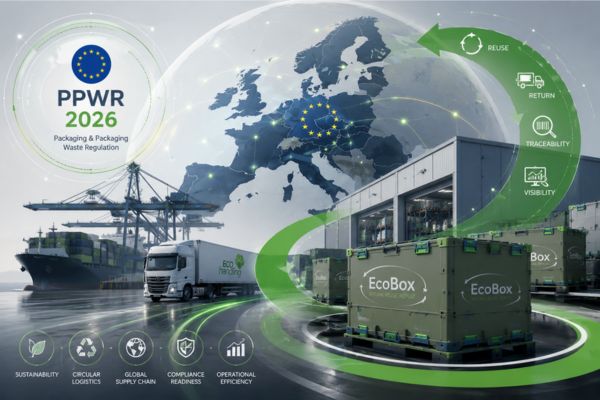
PPWR 2026 Is Reshaping the Rules of Global Supply Chains Entering Europe
European supply chains are entering a new phase of packaging accountability. With the Packaging and Packaging Waste Regulation (PPWR) scheduled to take effect across the European Union beginning in August 2026, companies involved in the movement of goods into Europe are starting to reassess how packaging flows through their operations.
For many years, packaging was treated mainly as a transport necessity. Today, it is becoming part of a much broader operational discussion involving reuse, traceability, waste reduction, reverse logistics, and supply chain visibility. The shift affects not only European importers, but also exporters, manufacturers, distributors, logistics providers, and industrial suppliers operating across international markets.
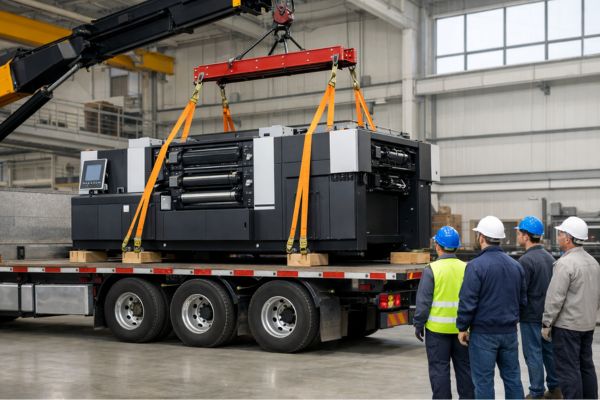
Common Mistakes in Heavy Equipment Packaging – and How to Avoid Them
Heavy equipment packaging is often treated as a technical task – but in reality, it directly impacts risk, cost, and operational performance.
This article reveals the most common mistakes companies make when relying on single-use packaging – and why they lead to inconsistency and failure.
By shifting to engineered, reusable solutions, organizations gain control, durability, and full visibility across every shipment.
With the addition of smart monitoring, packaging becomes a data-driven system – not just a protective layer.
Discover how EcoBox turns packaging into a reliable, high-performance asset.

Internal and External Packaging Under One System – A Unified Strategic Approach
Packaging is no longer just a necessity – it’s a strategic advantage in complex supply chains.
This article shows how integrating internal and external packaging into one unified system improves efficiency, reduces risk, and enhances control.
By combining standardized solutions with engineered packaging for complex logistics, organizations create consistency across all operations.
The real value comes from reverse logistics, enabling reuse, tracking, and full lifecycle visibility.
Discover how EcoHandling transforms packaging into a scalable, high-performance system.

The Bigger the Machine – the Bigger the “Wood Event” on Site
t EcoHandling we know this moment very well.
The industrial machine arrives at the installation site, the crates are opened one after another, the components are assembled, and the production line begins to take shape. The installation team is working efficiently, the customer sees the progress — and then the full picture appears: a large pile of wood, metal and packaging materials left behind on the floor.
From Shipping Packaging to Circular Logistics Platforms Today
Packaging is no longer simply protecting products during transport. Today, it supports reverse logistics, operational visibility, asset management and long-term supply chain performance. Discover why reusable packaging platforms are becoming part of the infrastructure behind tomorrow’s global supply chains.
The Hidden Cost of One-Way Packaging in Global Supply Chains
Many companies still evaluate packaging based only on purchase price, while overlooking the hidden operational costs created throughout the supply chain. From waste management and replacement cycles to logistics inefficiencies, one-way packaging often becomes far more expensive over time. Discover why more organizations are shifting toward reusable packaging strategies built for long-term operational performance.
How Reverse Logistics Is Transforming European Supply Chains
Reverse logistics is no longer a secondary logistics activity—it is becoming a strategic component of modern European supply chains. Discover how reusable packaging, structured return flows and PPWR are reshaping international logistics and helping businesses prepare for the future.
Packaging Traceability in Europe: The Future of Circular Supply Chains
European supply chains are entering a new era where packaging is no longer treated as disposable, but as a traceable operational asset. As reusable packaging systems become more common, visibility, reverse logistics and traceability are becoming essential components of logistics efficiency. Discover how this transformation is reshaping international supply chains.
Why Reusable Packaging Is Becoming Part of Global ESG Strategy
Why is reusable packaging becoming part of global ESG strategy? As companies expand their ESG efforts beyond emissions and energy consumption, packaging is emerging as a key factor in sustainability, operational efficiency, and supply chain performance.
In this article, you’ll discover why reusable packaging is gaining strategic importance and how it supports both ESG goals and long-term logistics planning.
All the insights, trends, and business implications are waiting for you in the full article.
What European Importers Will Begin Expecting From Suppliers Starting in August 2026
What will make European importers choose one supplier over another in the years ahead?
Beyond product quality and pricing, packaging traceability, operational visibility, and reusable logistics systems are becoming increasingly important.
This article explores the evolving criteria that may influence procurement decisions and long-term supply chain partnerships.
Discover the trends that are reshaping international trade in the full article.
PPWR 2026 Is Reshaping the Rules of Global Supply Chains Entering Europe
European supply chains are entering a new phase of packaging accountability. With the Packaging and Packaging Waste Regulation (PPWR) scheduled to take effect across the European Union beginning in August 2026, companies involved in the movement of goods into Europe are starting to reassess how packaging flows through their operations.
For many years, packaging was treated mainly as a transport necessity. Today, it is becoming part of a much broader operational discussion involving reuse, traceability, waste reduction, reverse logistics, and supply chain visibility. The shift affects not only European importers, but also exporters, manufacturers, distributors, logistics providers, and industrial suppliers operating across international markets.
Common Mistakes in Heavy Equipment Packaging – and How to Avoid Them
Heavy equipment packaging is often treated as a technical task – but in reality, it directly impacts risk, cost, and operational performance.
This article reveals the most common mistakes companies make when relying on single-use packaging – and why they lead to inconsistency and failure.
By shifting to engineered, reusable solutions, organizations gain control, durability, and full visibility across every shipment.
With the addition of smart monitoring, packaging becomes a data-driven system – not just a protective layer.
Discover how EcoBox turns packaging into a reliable, high-performance asset.
Internal and External Packaging Under One System – A Unified Strategic Approach
Packaging is no longer just a necessity – it’s a strategic advantage in complex supply chains.
This article shows how integrating internal and external packaging into one unified system improves efficiency, reduces risk, and enhances control.
By combining standardized solutions with engineered packaging for complex logistics, organizations create consistency across all operations.
The real value comes from reverse logistics, enabling reuse, tracking, and full lifecycle visibility.
Discover how EcoHandling transforms packaging into a scalable, high-performance system.
The Bigger the Machine – the Bigger the “Wood Event” on Site
t EcoHandling we know this moment very well.
The industrial machine arrives at the installation site, the crates are opened one after another, the components are assembled, and the production line begins to take shape. The installation team is working efficiently, the customer sees the progress — and then the full picture appears: a large pile of wood, metal and packaging materials left behind on the floor.